
Introduction: A New Consumer Era Begins
The retail landscape in India is entering one of its most transformative phases. As 2026 approaches, consumer expectations, digital adoption, and lifestyle priorities are shifting faster than ever. Traditional retail continues to evolve, e-commerce platforms are reshaping convenience, and hybrid shopping models are redefining how Indians buy everything—from groceries to luxury goods.
The key question remains: Will consumers choose retail stores or e-commerce as their preferred shopping destination in the New Year?
This cover story breaks down emerging trends, expert predictions, and market behaviour to understand where Indian shoppers are truly headed.
The Post-Pandemic Consumer: Smarter, Digital-First, Value-Driven
Convenience Meets Conscious Spending
The pandemic accelerated India’s digital shopping culture, but 2025 showed that consumers value both online and offline experiences. In 2026, shoppers are likely to seek a balance—driven by convenience, price sensitivity, and the need for authentic touch-and-feel experiences.
Key Consumer Behaviour Shifts
- Greater focus on quality and authenticity
- Price comparisons before every purchase
- Sustainability influencing brand choices
- Rising loyalty toward brands offering hybrid experiences
- Demand for faster delivery and smoother return policies
Physical Retail: Reinventing Itself for the New Year
1. Experience-Driven Stores Will Lead
Retailers are shifting from simple product displays to immersive, sensory-rich experiences.
Think:
- Interactive product demos
- Smart mirrors and AR fitting rooms
- In-store live events and workshops
Why Experience Matters
Consumers increasingly see physical stores as destinations—not just purchase points.
2. The Rise of Hyperlocal and Neighbourhood Stores
Local stores are adopting modern retail practices like digital payment systems, online ordering, and loyalty programs.
In 2026, hyperlocal channels will remain crucial for:
- Daily essentials
- Quick deliveries
- Personalised service
3. Mall Culture Makes a Strong Comeback
Indian malls have evolved into lifestyle hubs—complete with gourmet food courts, entertainment zones, premium brands, and co-working spaces.
E-Commerce: Still Scaling—But Smarter Than Before
1. Faster Delivery and Micro-Warehousing
Same-day and 2-hour delivery across Tier-I and Tier-II cities is becoming the new benchmark.
Micro-warehouses near residential hubs are powering this ultra-fast fulfilment trend.
2. AI-Powered Personalisation Steps Up
Online platforms are using AI to:
- Recommend products
- Predict buying cycles
- Provide dynamic pricing
- Personalise homepage experiences
This makes digital shopping more intuitive than ever.
3. Social Commerce Continues Its Growth Story
Influencer-led shopping, live video-based selling, and creator-driven marketplaces are expected to boom in 2026.
Younger consumers increasingly trust creators over traditional ads.
4. E-Grocery Becomes a Daily Habit
Quick-commerce platforms are now part of everyday life in urban India.
Fresh produce, frozen meals, wellness goods, and personal care items are driving repeat purchases.
The Hybrid Shopper: 2026’s Most Powerful Segment
Consumers Want the Best of Both Worlds
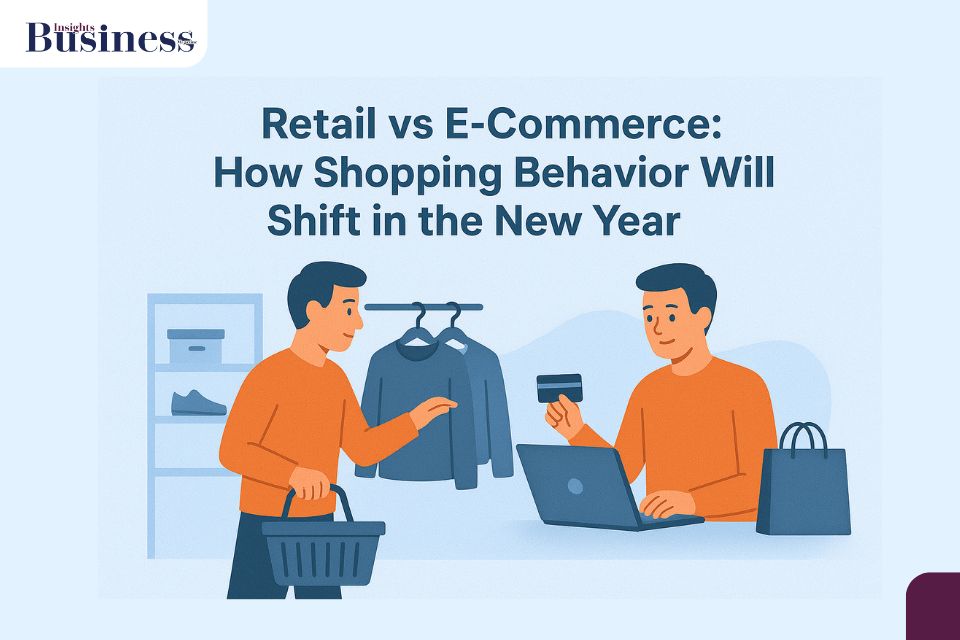
The future of shopping isn’t retail vs e-commerce—it’s retail and e-commerce.
Hybrid shoppers compare online, purchase offline, or discover offline and buy online.
Trends Shaping Hybrid Retail
- Buy Online, Pick Up In Store (BOPIS)
- Reserve online and try in store
- Online-exclusive discounts with in-store experiences
- Unified return and exchange systems
Omnichannel is no longer optional—it’s the backbone of retail strategy.
What’s Fueling the Shift in 2026?
1. Digital Confidence Across Age Groups
Seniors, teens, homemakers, and working professionals are now equally comfortable with digital payments and online shopping.
2. Tier-II and Tier-III Consumers Drive Growth
Smaller cities are showing faster e-commerce adoption than metros—boosted by logistics expansion and competitive pricing.
3. Inflation and Value Sensitivity
Consumers are more strategic, often switching between online and offline based on where they find the best deals.
Challenges for Both Retail and E-Commerce
Retail Challenges
- Rising real estate costs
- Inventory management
- Labour shortages
- Competition from online deals
E-Commerce Challenges
- High logistics and return costs
- Increasing regulation
- Competition from social and D2C brands
- Customer retention challenges
Outlook 2026: What Experts Predict
Retail Will Rise—but E-Commerce Will Expand Faster
- Offline retail will grow steadily through experience-led formats.
- E-commerce will expand aggressively in groceries, electronics, fashion, and beauty.
- Hybrid shopping will dominate the consumer journey.
The Winning Strategy
Brands that blur the lines—unifying inventory, pricing, and customer experiences—will shape the future of Indian retail.
Conclusion: The Future of Shopping Is Phygital
As 2026 arrives, shopping behaviour in India is not about choosing sides. Consumers want flexibility, seamlessness, authenticity, and value. Retail offers human connection; e-commerce offers unmatched convenience.
Together, they create a powerful “phygital” ecosystem that will define the next decade of Indian commerce.